


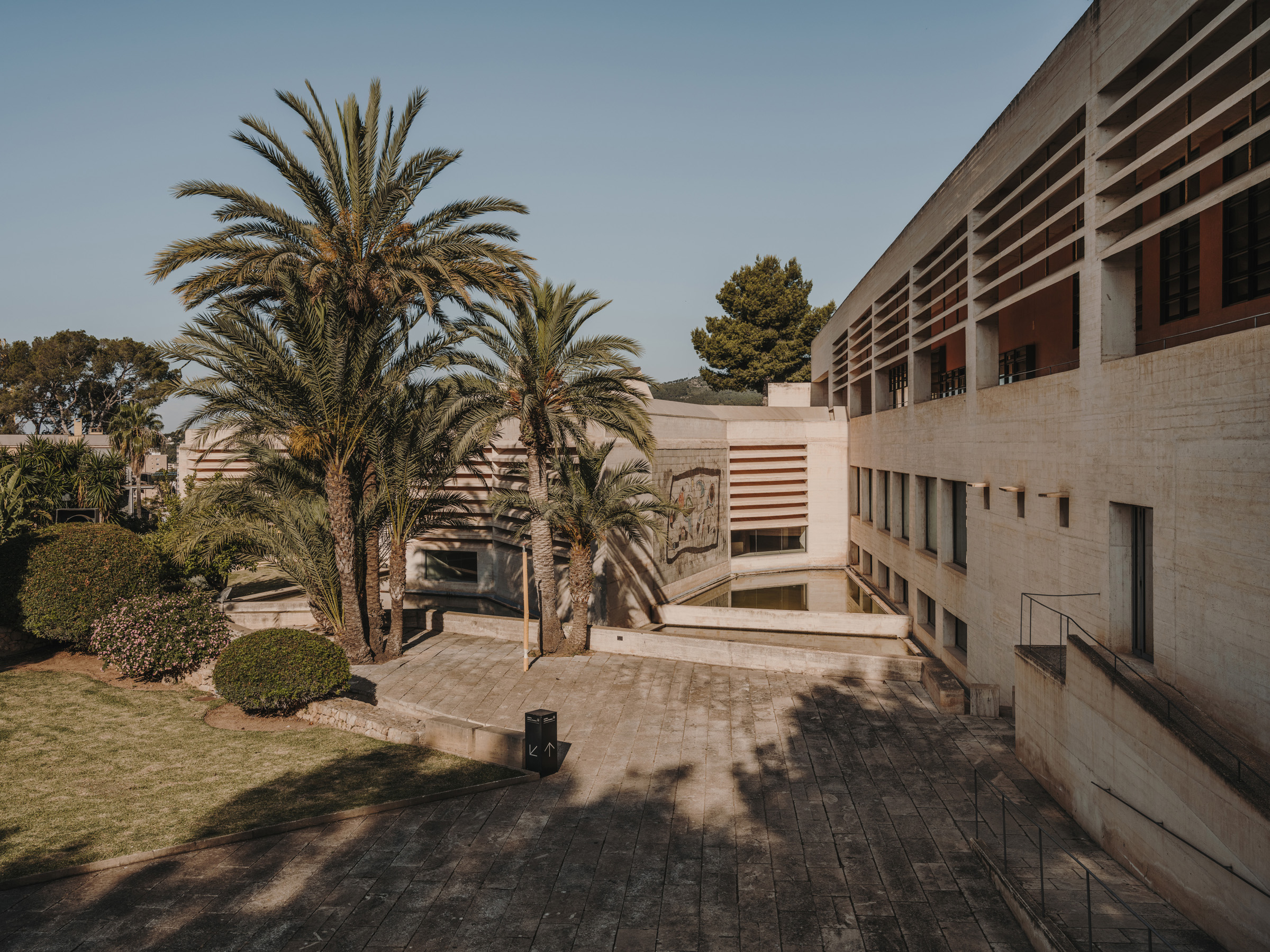
Moneo building
Auditori
L'edifici Moneo, seu actual de la Miró Mallorca Fundació, es va inaugurar el 1992. Projectat per l'arquitecte Rafael Moneo és el resultat de la donació de Pilar Juncosa, vídua de Miró, a la Ciutat de Palma.
-
Exhibition space
- Auditori
-
Dates
- 18 September 2026 — 18 April 2027
-
Inauguration
- 18 September 2026
- 19:30
Carlos Casas. “Bestiaris”
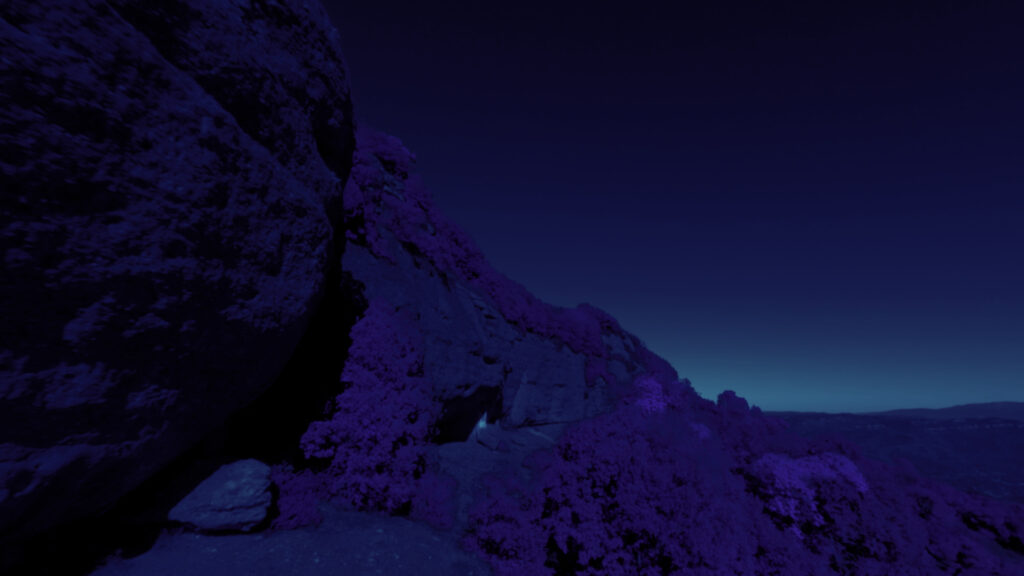
Carlos Casas presents two immersive films: "Cemetery" (2019) and "Bestiari" (2025), the latter curated by Filipa Ramos and produced by the Ramon Llull Institute, which was screened at the Catalan Pavilion during the 60th Venice Biennale. Both films are rooted in the artistic tradition of documentary cinema; they are multi-layered visual and sonic works that create environments which trigger new auditory experiences in the viewer, while also fostering intercultural encounters.
Art is often made with a specific place and atmosphere in mind, and then it travels and adapts itself to other contexts and becomes something else. What you will encounter here is a screen adaptation of Bestiari, a complex, multisensorial investigation that artist and filmmaker Carlos Casas developed. Bestiari was first presented as an acclaimed collateral event at the 60th Venice Biennale (2024), representing Catalonia and the Balearic Islands, inviting visitors into a space of listening and dreaming that led to a potential psychosomatic transformation.
Inspired by Disputa de l’ase (The Dispute of the Donkey), a Medieval text written by a Mallorcan author, Anselm Turmeda, in 1417, Bestiari revisits this story in which animals put humanity on trial for claiming superiority over them. In Turmeda’s tale, a friar wakes from sleep with the ability to understand animal languages. What follows is a long and extraordinary debate, in which the animals, represented by a donkey, question the foundations of anthropocentrism and reveal the richness of their own forms of intelligence, organisation and life.
Casas revisits and actualises this narrative and its unique forms of looking at the natural world through the creation of a space of listening and immersion that allows sound waves and vibrations to enter visitors’ bodies. Recorded across many natural parks of Catalonia, Bestiari gathers the presence of the real and imagined animals of this territory, combining the sounds of bats, dolphins, snakes, donkeys, parakeets and bees with those of elephants and other creatures featured in the book. The animals’ calls, frequencies, movements and perception modes inspire Casas to compose an environment that expands beyond the human senses. Some sounds are heard; others are felt in the body. Some images disclose themselves directly; others ask us to imagine ways of seeing and sensing that we do not have.
For more than twenty years, Casas has explored how cinema, sound and installation can bring viewers closer to places, beings and atmospheres that often remain at the edge of perception. In Bestiaris, this search becomes an invitation to enter into relation with other lives and their worlds. The work asks what might happen if humans stopped treating animals as mute figures in our stories and lives and began to recognise them as subjects, witnesses and interlocutors.
At Fundació Miró Mallorca, Bestiaris extends this tribute to Turmeda’s birthplace and also expands itself into dialogue with Cemetery, Casas’s long-term reflection on elephants, memory, death and interspecies encounter. It also becomes a tribute to Joan Miró’s life and work, particularly his engagement with more-than-human presences and figurations, with a live session of sound and images performed in his studio. Together, the works propose art as a threshold where listening is a practice of attunement and reverberation, perception becomes a way to relate to other species, and the human body is asked to remember that it has never ceased to be that of an animal.
Filipa Ramos, July 2026
Audiovisuals
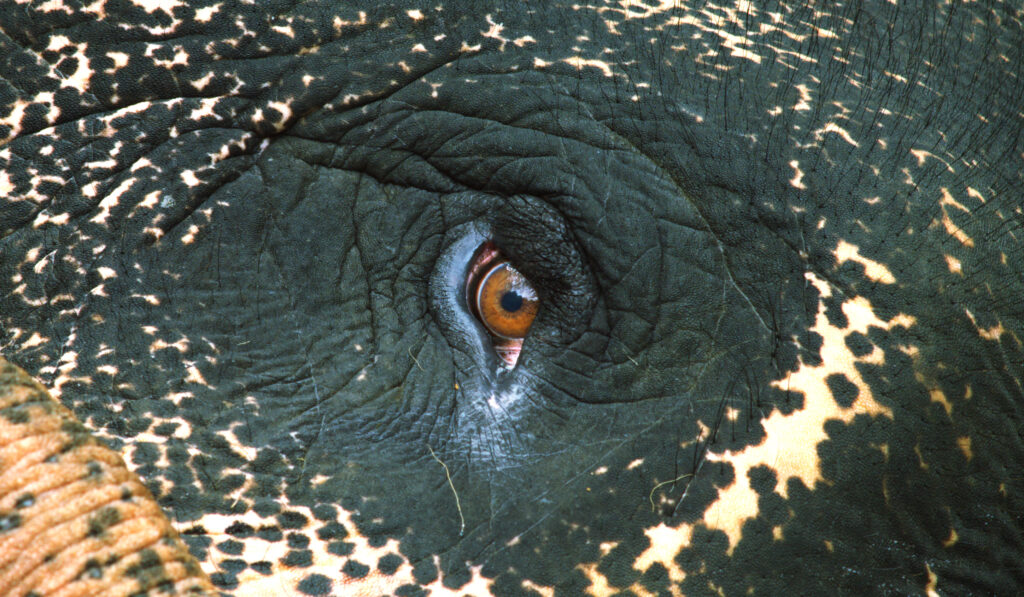
CEMETERY
A film about death, reincarnation and immortality, which blends Hindu and Buddhist traditions. This work also explores themes such as memory, colonialism, discovery, the loss of innocence, the collapse of civilisation and the disappearance of all sanctuaries and unexplored territories.
It is composed of three parts: the journey, the bardo and the beginning. Each is a separate, visually distinctive entity, which come together to form a film inspired or drawn from a completely different range of influences and references, from classic adventure films to abstract experimental films, and even animal and landscape films.
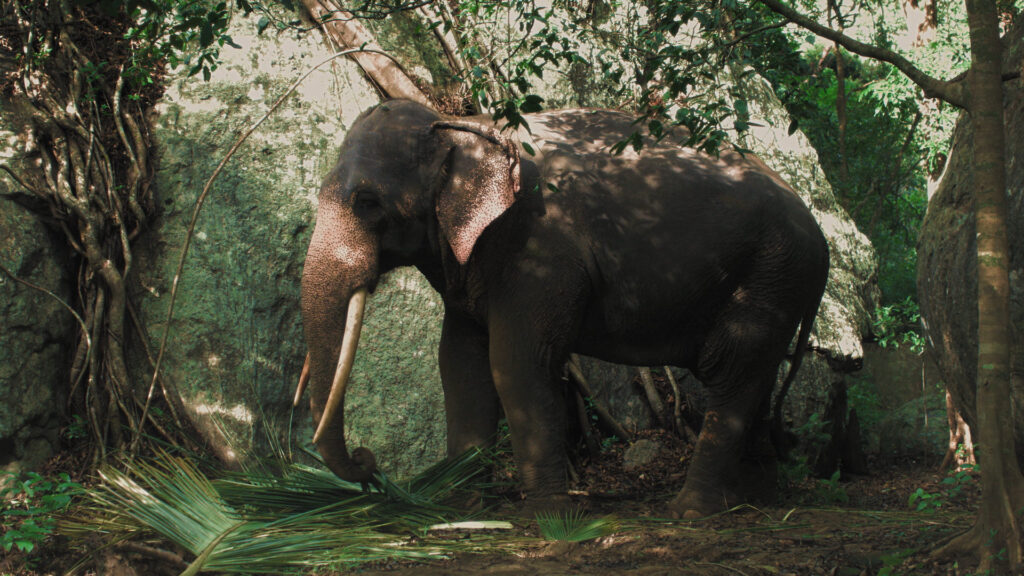
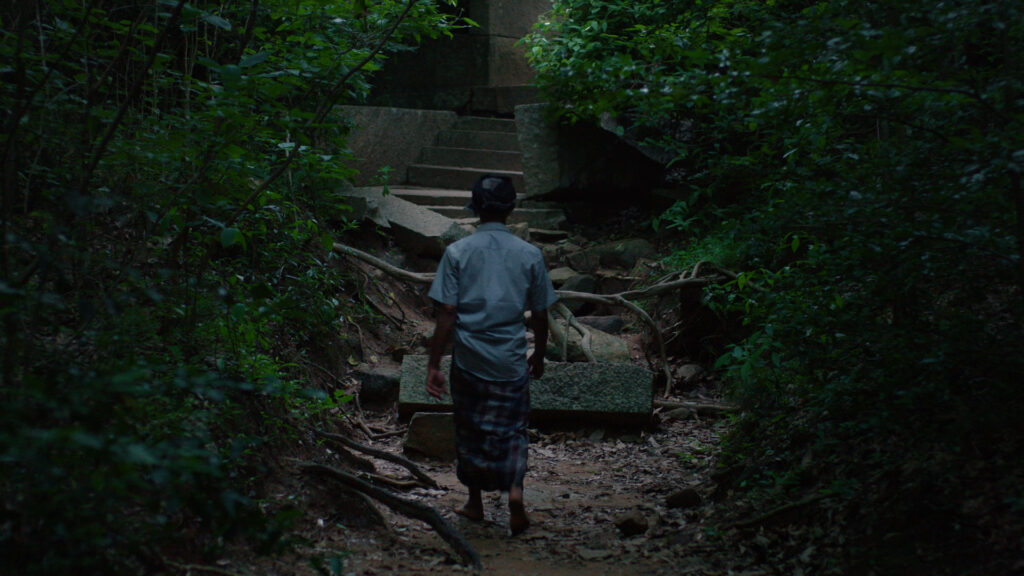
Close your eyes and see (and feel) the jungle. The trees, the rain, the wind and an ancient elephant graveyard. Pushing ethnography to the limits of meaning, Casas transforms the story of an elephant and its “mahout” (keeper) as they embark on their final journey to a sacred, hidden elephant graveyard. As they make their way through the jungle towards this mythical place, questions arise about death, reincarnation, immortality, and the intersection of Hindu and Buddhist traditions.
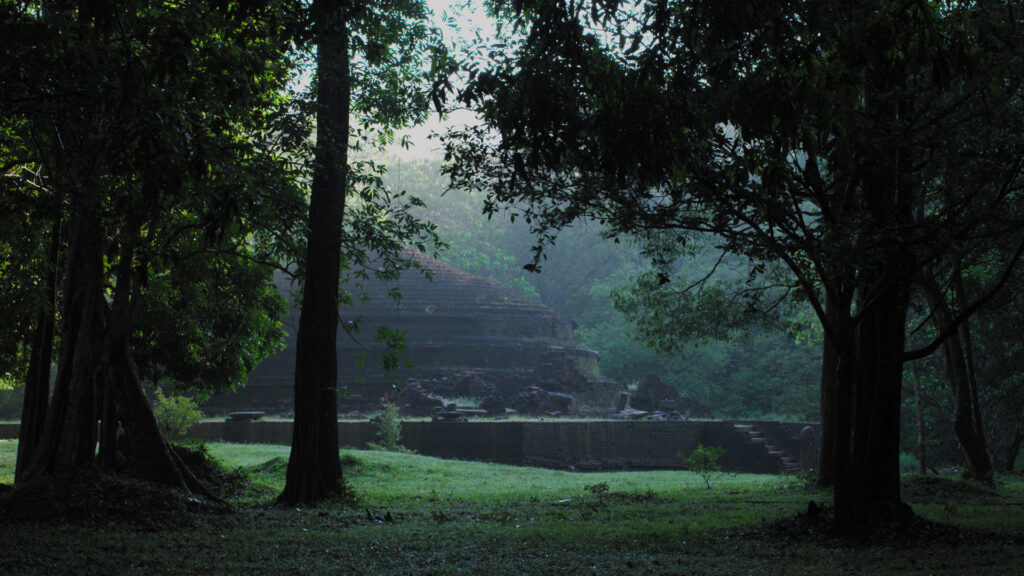
“Cemetery” is a deeply sensory film about memory, colonialism, extinction, and the places that don’t appear on maps. A road movie guided by a voice-over, the incredible sounds of the jungle and an exhaustive investigation into the language of elephants. It is a requiem for all that is unknown, for what remains to be discovered, for our Shangri-La.
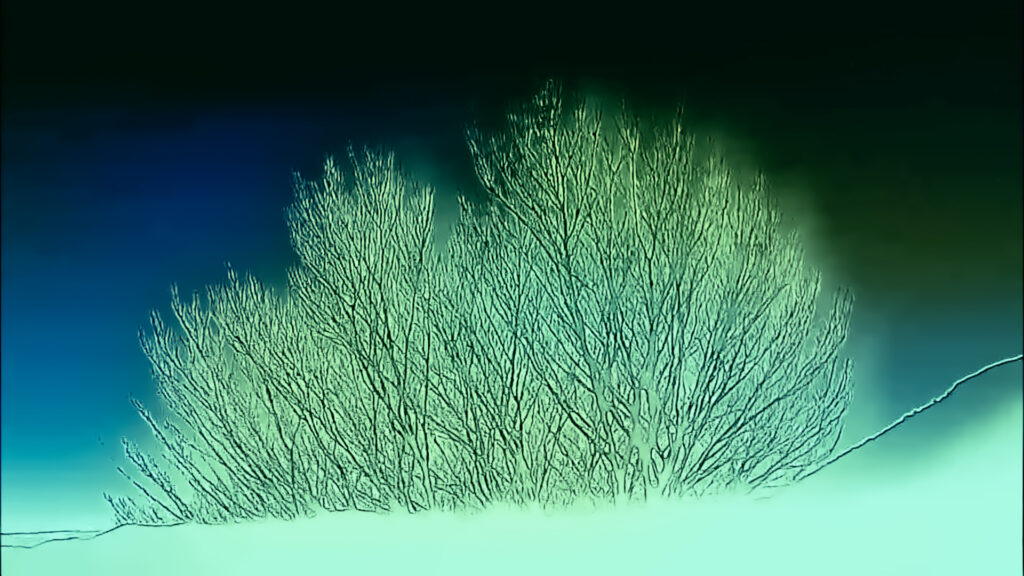
BESTIARI
He is the soul behind this artistic project by Carlos Casas at the Foundation. The film takes as its starting point the text “Disputa de l’ase” (Donkey dispute), written in 1417 by Anselm Turmeda, considered one of the founders of Catalan literature. The text tells the story of a man who, after falling asleep in an idyllic forest, wakes up with the ability to understand the language of animals. At this point, the animals initiate a trial to question humanity’s superiority over other beings. The animals’ spokesperson is a long-tailed donkey who challenges anthropocentrism.
This documentary pays homage to the animals featured in the text, who demand interspecies justice, and immerses the viewer in a hypnotic world of sound and images of animals and creatures that inhabit the natural landscapes—real and imaginary—of Catalonia’s nature parks and protected areas, such as: the Ebro Delta Natural Park, the Cadí-Moixeró Natural Park, the Montgrí, Medes Islands and Baix Ter Natural Park, and the Montseny Natural Park and Biosphere Reserve, among others.
With this work, Casas updates and affirms the relevance of the “Disputa de l’ase” in the context in which we live, offering significant recognition of nature’s rights and raising awareness of the drastic environmental effects caused by human action. Casas seeks to create a profound and almost liturgical dialogue between species, allowing the viewer to experience a more organic and physical connection with other living beings.

Biography
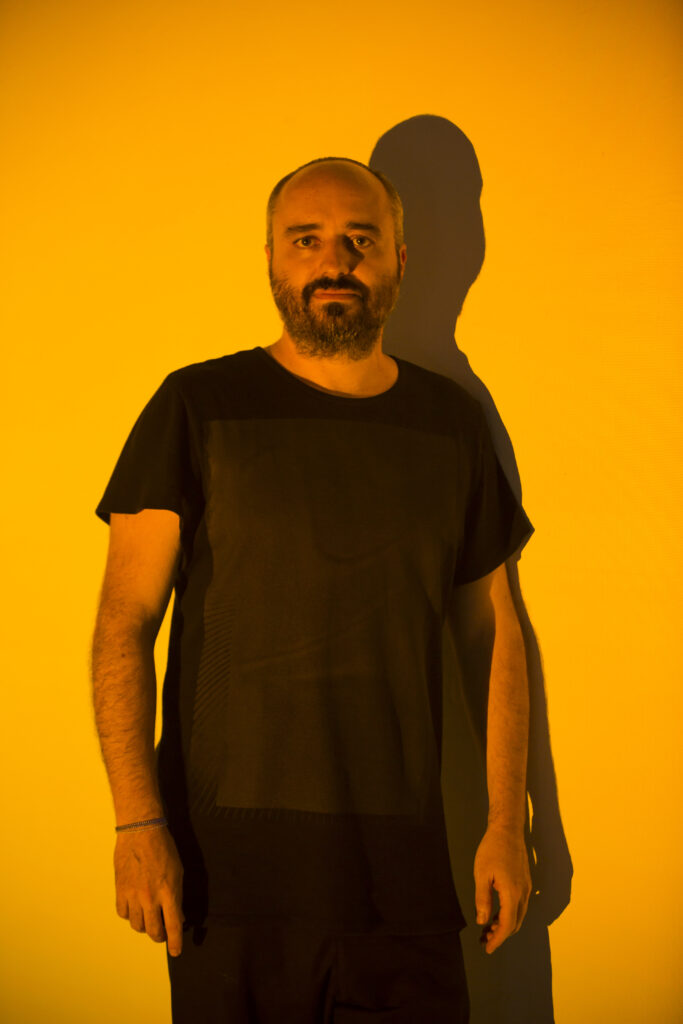
Carlos Casas (Barcelona, 1974) is a filmmaker and artist whose work spans film, sound and the visual arts. His films, installations and soundscapes focus on spaces and communities that coexist in symbiosis.
His artistic practice questions the body and its connection to place, culture, myths and the archetypal imagination that shapes us. His projects often involve extensive research and audiovisual production that address intercultural dialogue, etho-ethological interaction, world exploration, inter-religious dialogue, and the search for mytho-historical archetypes that can become vehicles for a new awakening.
Casas’s work has always explored the connections between humans and other species, using the most advanced sound reproduction technology, as sound is his channel to “connect with, and ultimately transform, the mindsets that hinder our sustainable progress as a species”.
Their artworks have been presented in international exhibitions such as the Venice Biennale, the Shanghai Biennale, the Bangkok Biennale and the Istanbul Biennial. Their films have been screened and have won awards at festivals around the world, including the Venice Film Festival, the International Film Festival Rotterdam, the Buenos Aires International Film Festival, the Mexico City International Film Festival, FID Marseille and others. Her work has been exhibited and presented in international art institutions and galleries, such as Tate Modern in London; the Fondation Cartier, the Palais de Tokyo, the Centre Pompidou in Paris, Hangar Bicocca in Milan, the CCCB in Barcelona, Matadero Madrid, the Museo Nacional Centro de Arte Reina Sofía in Madrid, the MAAT in Lisbon, the GAM in Turin, Bozar and the Kunsten Festival des Arts in Brussels, among others.
With the collaboration of Institut Ramon Llull