

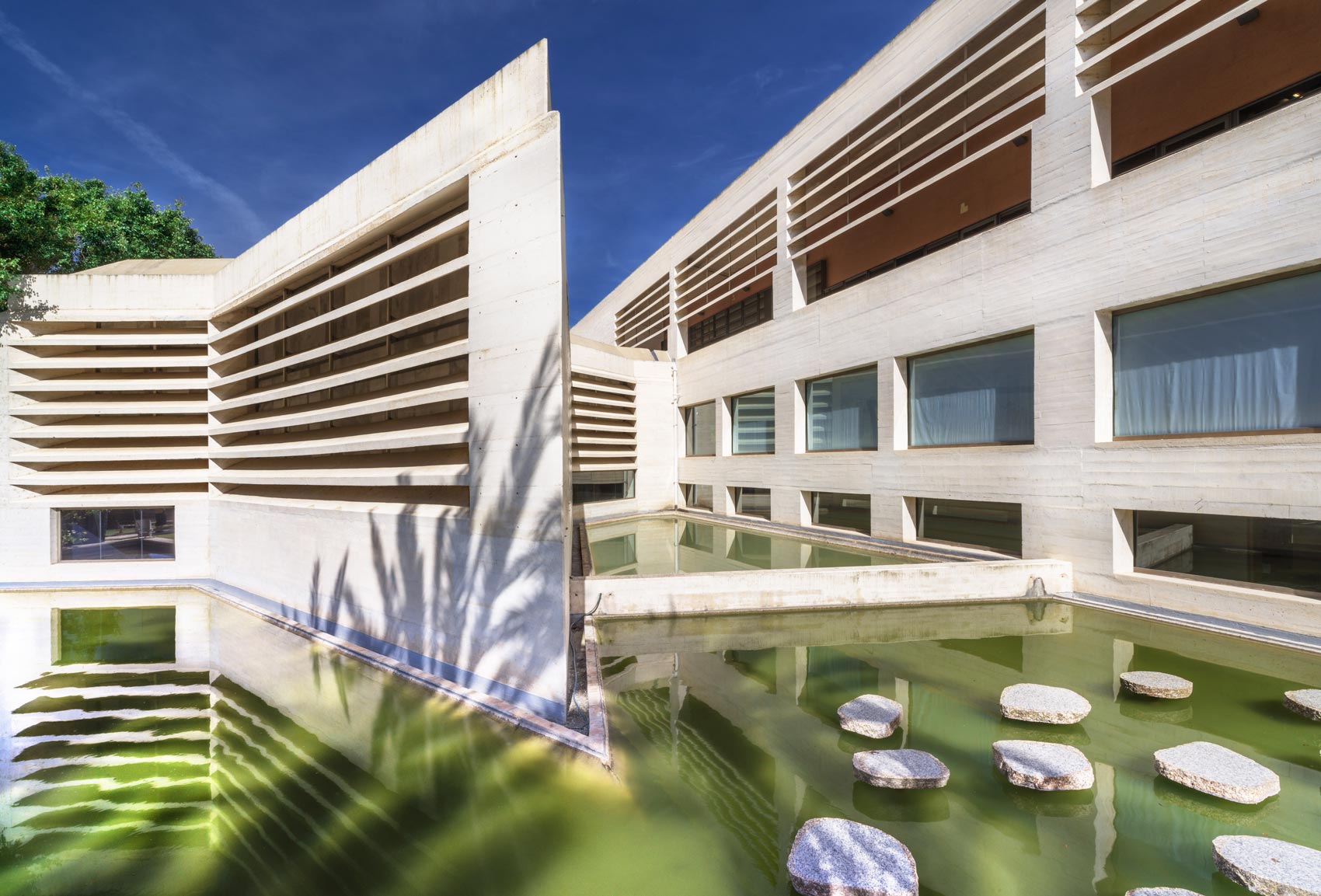
Moneo building
Space Estrella
L'edifici Moneo, seu actual de la Miró Mallorca Fundació, es va inaugurar el 1992. Projectat per l'arquitecte Rafael Moneo és el resultat de la donació de Pilar Juncosa, vídua de Miró, a la Ciutat de Palma.
-
Exhibition space
- Space Estrella
-
Dates
- 11 February 2026 — 17 January 2027
-
Inauguration
- 11 February 2026
- 19:00
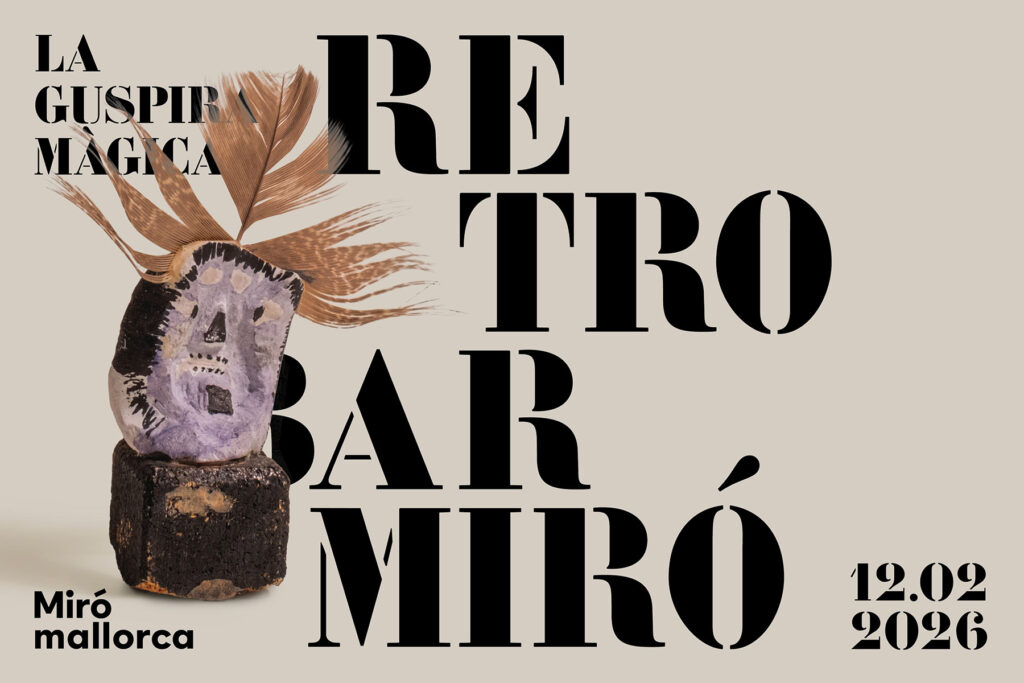
“Reencountering Miró. The magic spark”
Miró does not discover, but rediscovers: his own past, works in progress, discarded materials and lived spaces become drivers of a process marked by revision, rupture and transformation. Taking the last exhibition named "The Magic Spark" as a starting point, this second part of the show delves into the role of chance encounters, the familiar and the everyday as triggers for creation.
Joan Miró in conversation with James Johnson Sweeney, 1948"For, it is always a matter of “reencountering”; nothing is discovered in life."
Joan Miró’s life was a constant journey and an incessant return. From the grand scale of the landscape to the intimacy of his workspaces, as he wandered around his studios or visited cities or countries, Miró was drawn time and time again to the same sources of inspiration, retrieving images from the past, reinterpreting his vocabulary of signs, and even going as far as to destroy his own work. In this constant process of reviewal and discovery, rather than following a linear path, Miró seemingly hopped forwards and backwards in time, and each journey back and forth featured a new beginning.

Fotografia de Joaquim Gomis © Hereus de Joaquim Gomis. Fundació Joan Miró, Barcelona
© Successió Miro, 2026
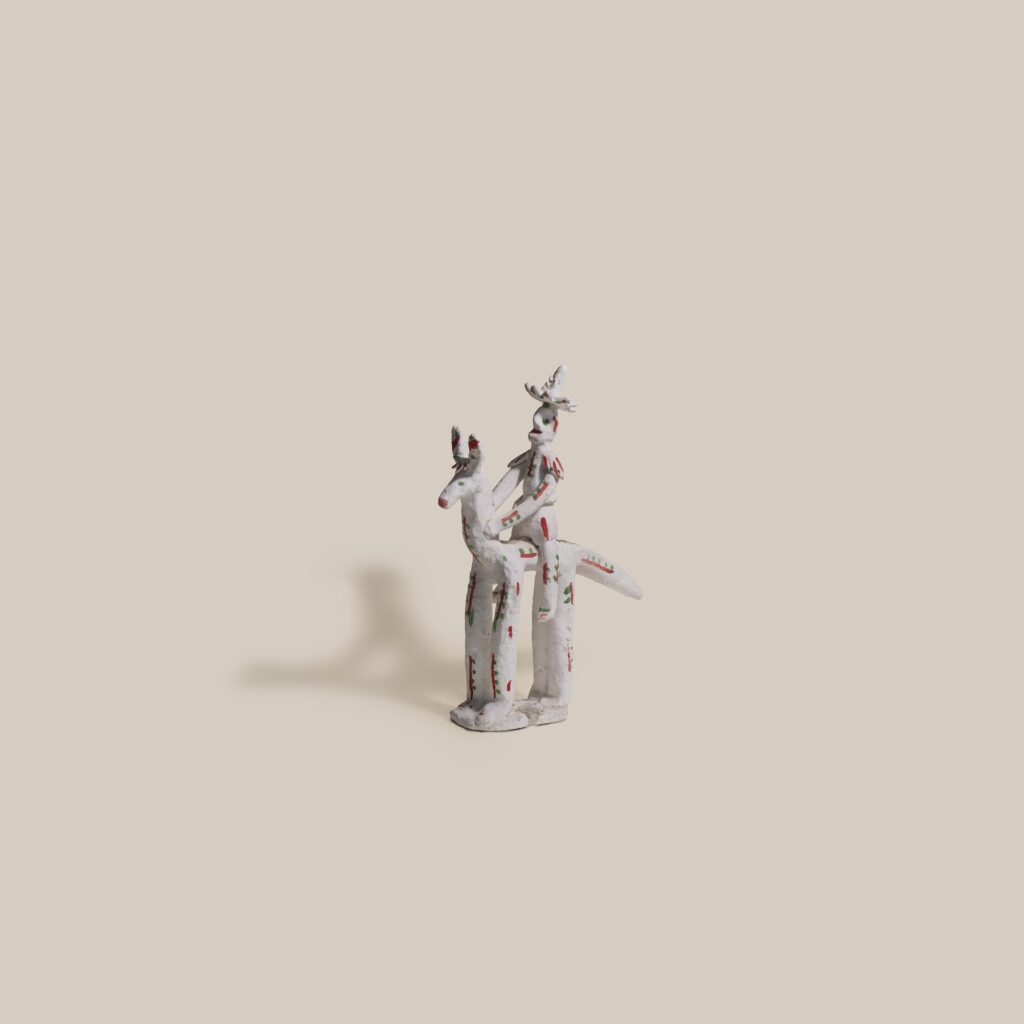
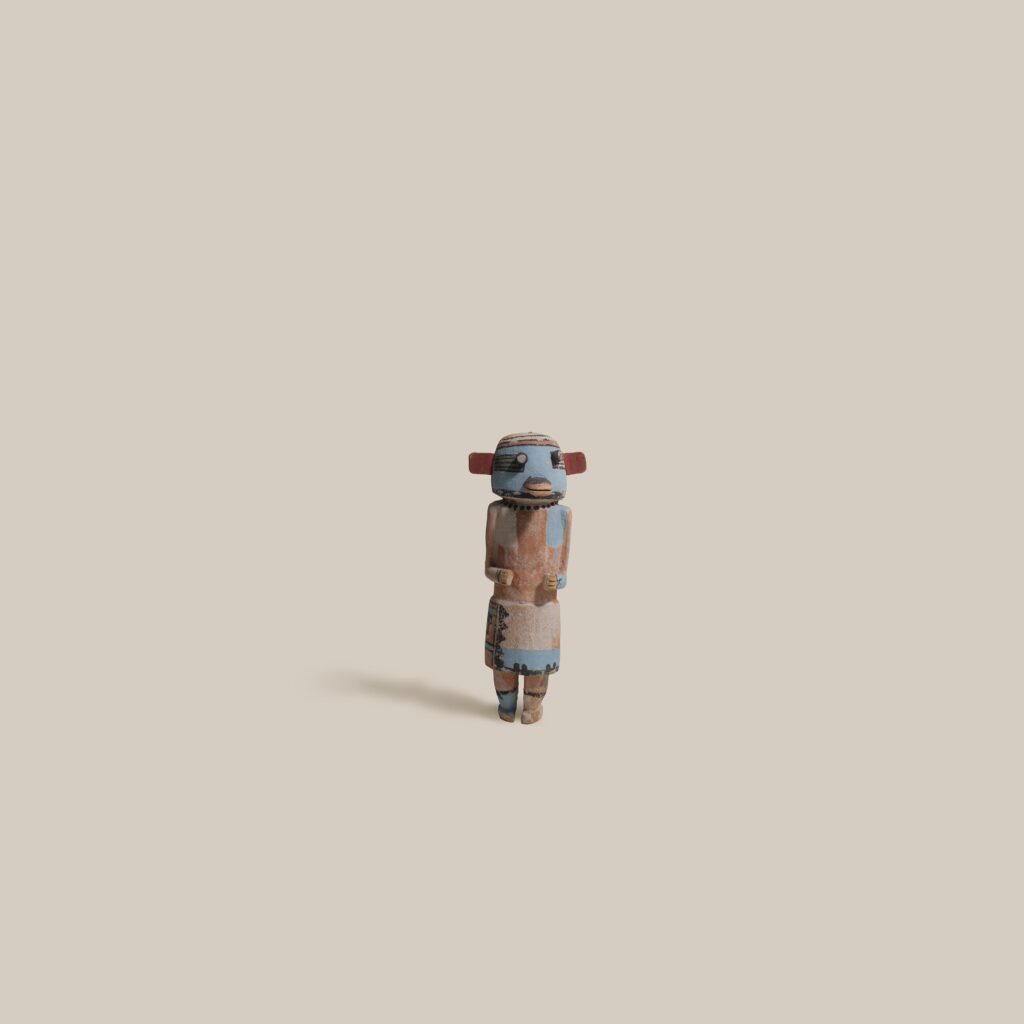
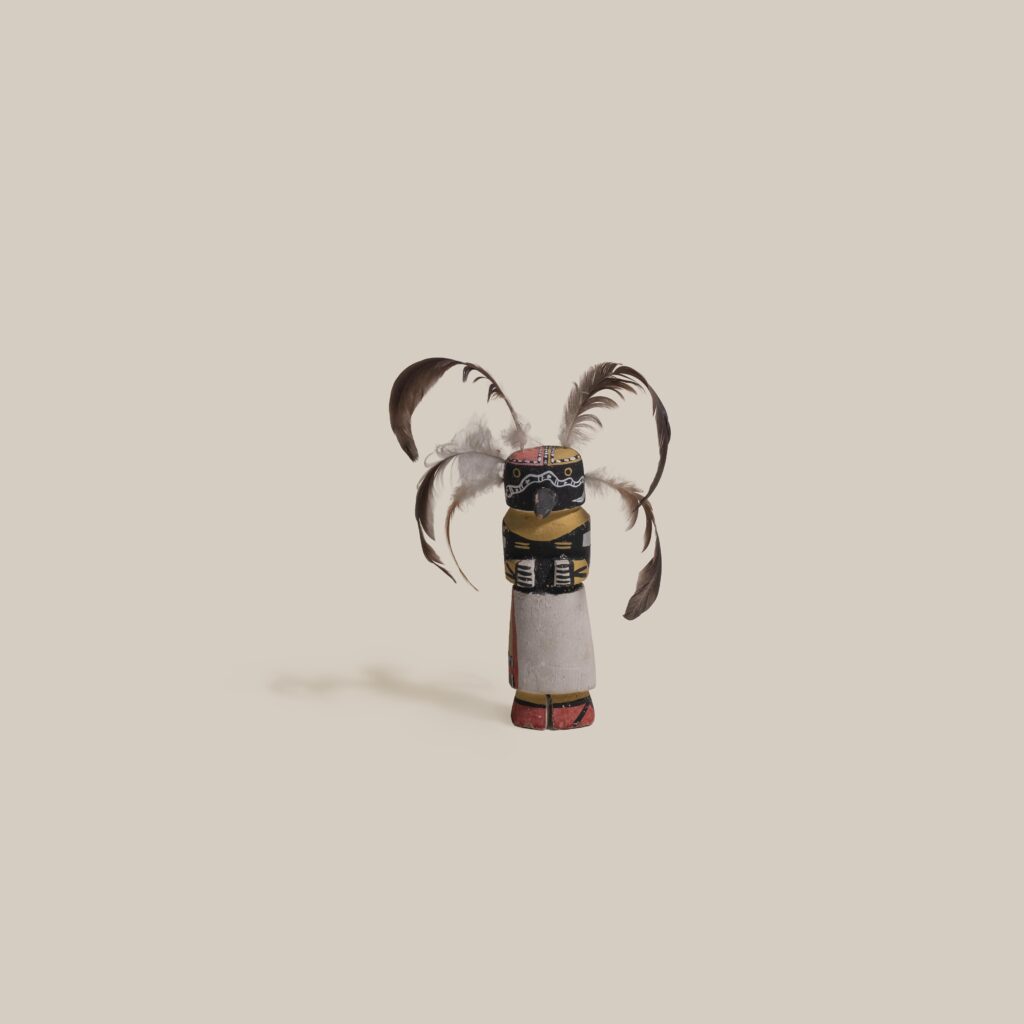
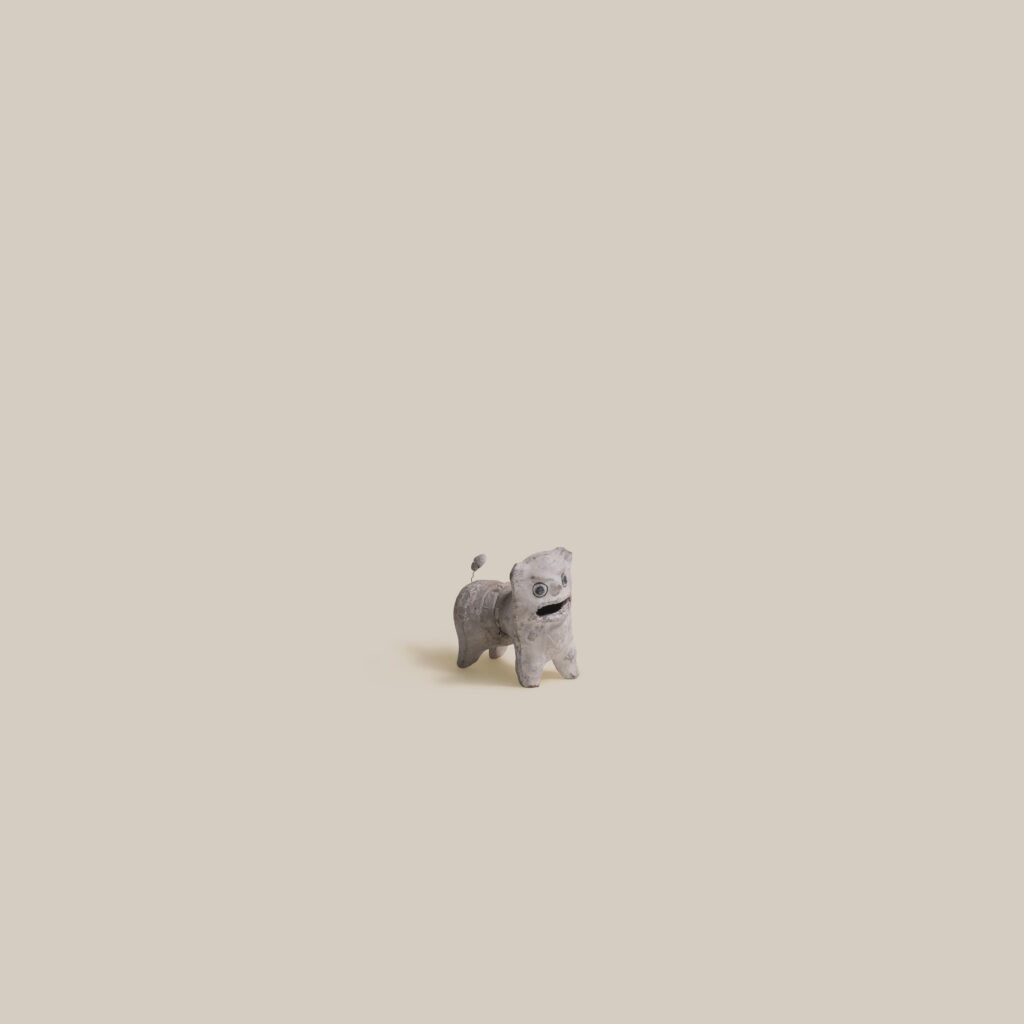
Punctuating this pathway were the “magic sparks” that fuelled his creative search: found objects, gifts from nature, strange materials, primitive and popular art, local figures, and moments or places that marked a turning point. We revisit the theme that was explored in the exhibition “The Magic Spark”, the importance of chance finds and unexpected discoveries in the conception of his work, but this time we go one step further, using what we are familiar with as a springboard in the generation of new discourse–just as Miró did.
The catalyst was not the unknown, but things round about him, which simply begged to be reseen. Miró rediscovered his own past, his first maestro, and the work of his youth, as well as the present of his studio, with materials rejected or discarded during the creative process, everyday familiar spaces, and work in progress to which he repeatedly returned. With Miró, it was not a question of discovery, but of recognition.
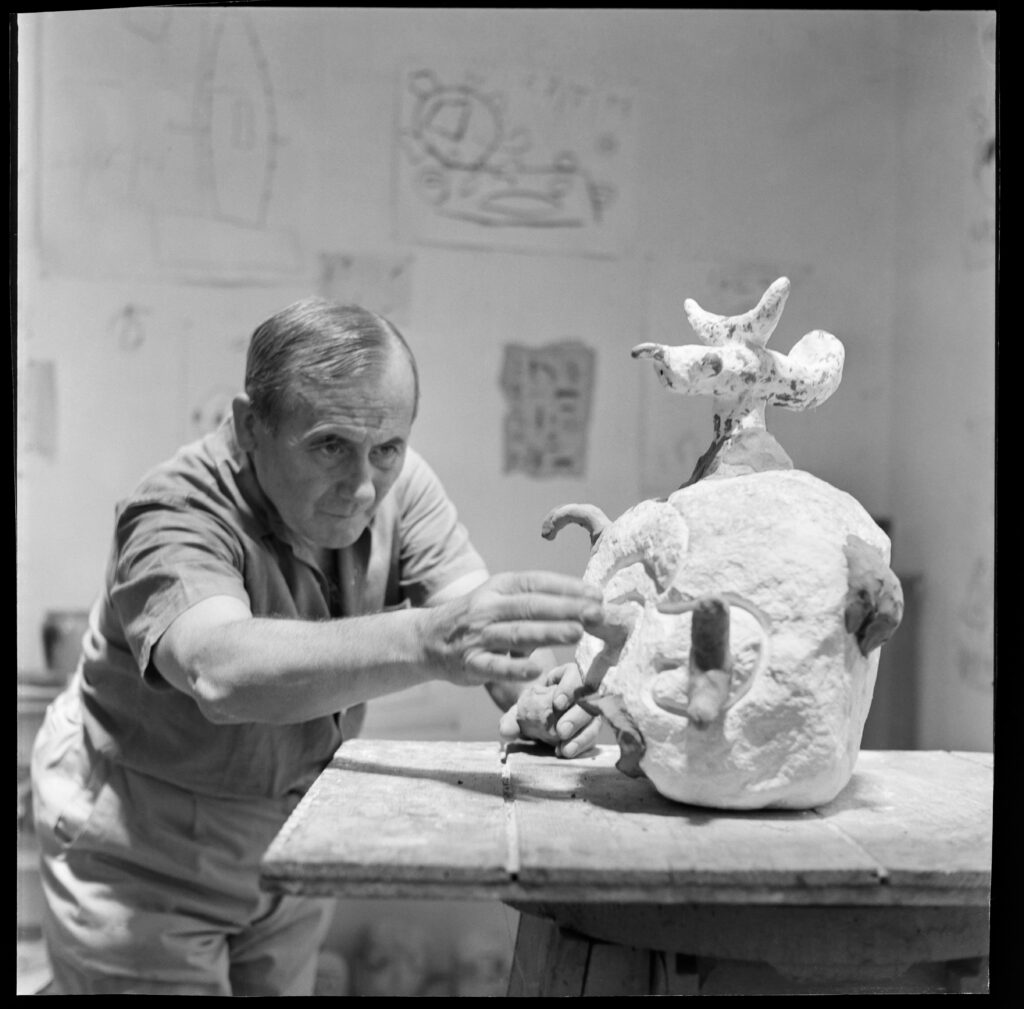
Miró in the studio of Mas Miró in Mont-roig working on the model of Tête, 1952. Photograph Ernst Scheidegger © 2026 Stiftung Ernst Scheidegger-Archiv, Zürich ©Successió Miró, 2026
Miró’s work was in a state of perpetual motion, marked by a succession of impacts and breakaways that were fundamental in helping him to progress, as occurred during his final stage on the island. A period of self-criticism began where Miró reacted to his previous work in a bid to transcend it rather than to destroy it, even incorporating violence in the creative process. Mallorca represented a new start for the artist.
Contact
Collections
Fundació Miró Mallorca
Carrer de Saridakis, 29
07015 Palma
Tel. +34 971 70 14 20
exposicions@miromallorca.com
At the end of the journey, it all came full circle and the artworks themselves–his artworks and those of other artists–became “magic sparks” and stimuli for images and projects, mutating and changing in setting, size and materials, while still managing to transmit that first original gesture. Oiseau solaire and Oiseau lunaire embody this transformation, evolving from the first 1940s versions, which fitted in the palm of your hand, to large-scale works integrated in the landscape and city. Miró had become a kindler of sparks.
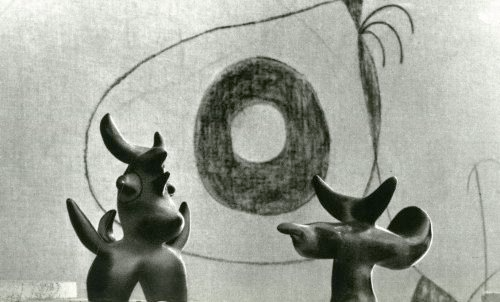
Oiseau solaire and Oiseau lunaire in front of the Mosaic painting at the Sert Workshop. Photography by Daniel Frasnay. © Successió Miró, 2026
The exhibition includes:
-65 paintings and drawings
-15 sculptures and models of sculptures
-111 documents and photographs
-70 objects
-4 videos
Thanks to the lenders: The MNAC, the Juan March Foundation, Successió Miró, Es Baluard Museu, Fundació Mas Miró and private lenders (Alejandro Villalba).
Some of Joan Miró's rediscovered sparks